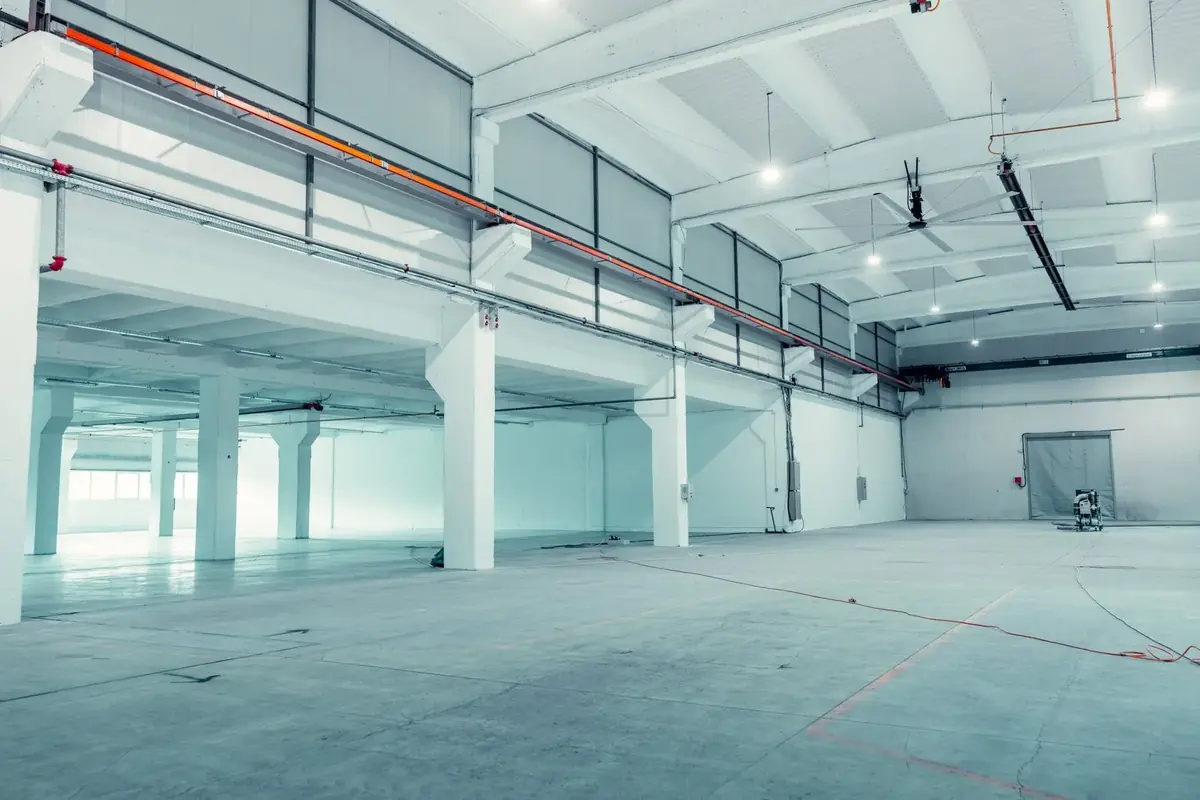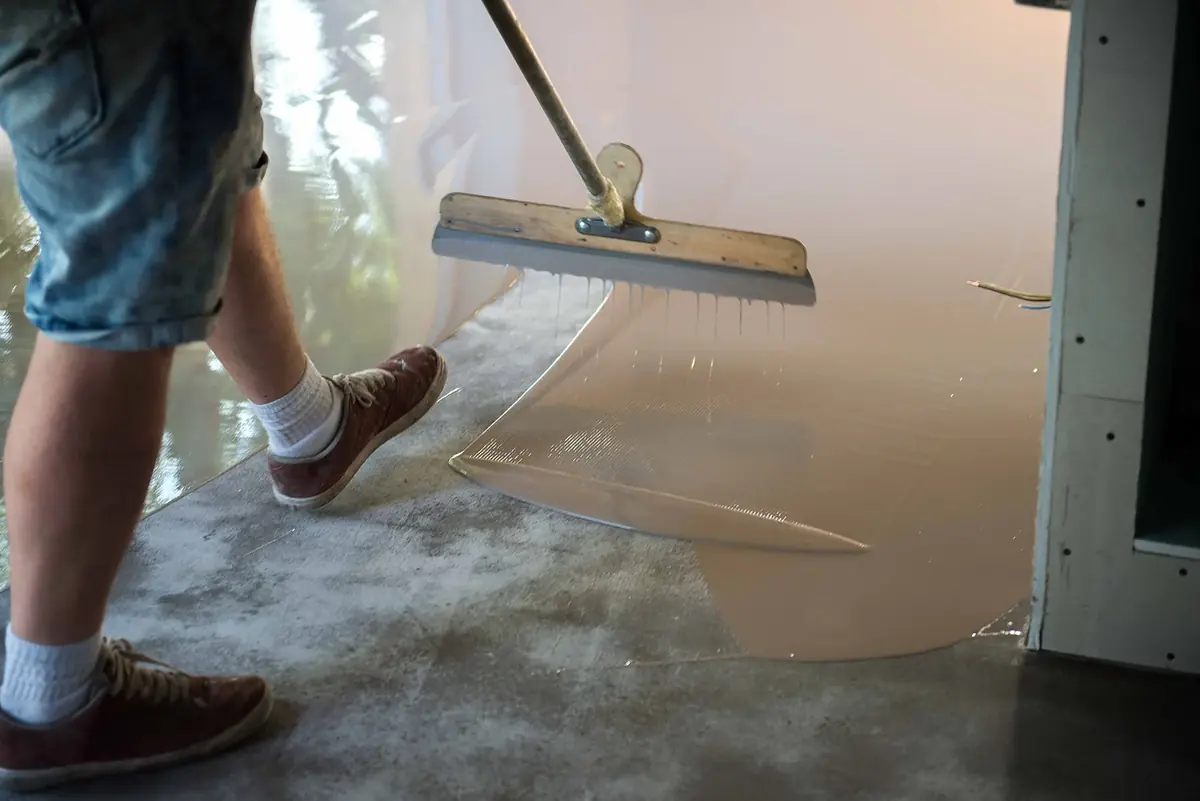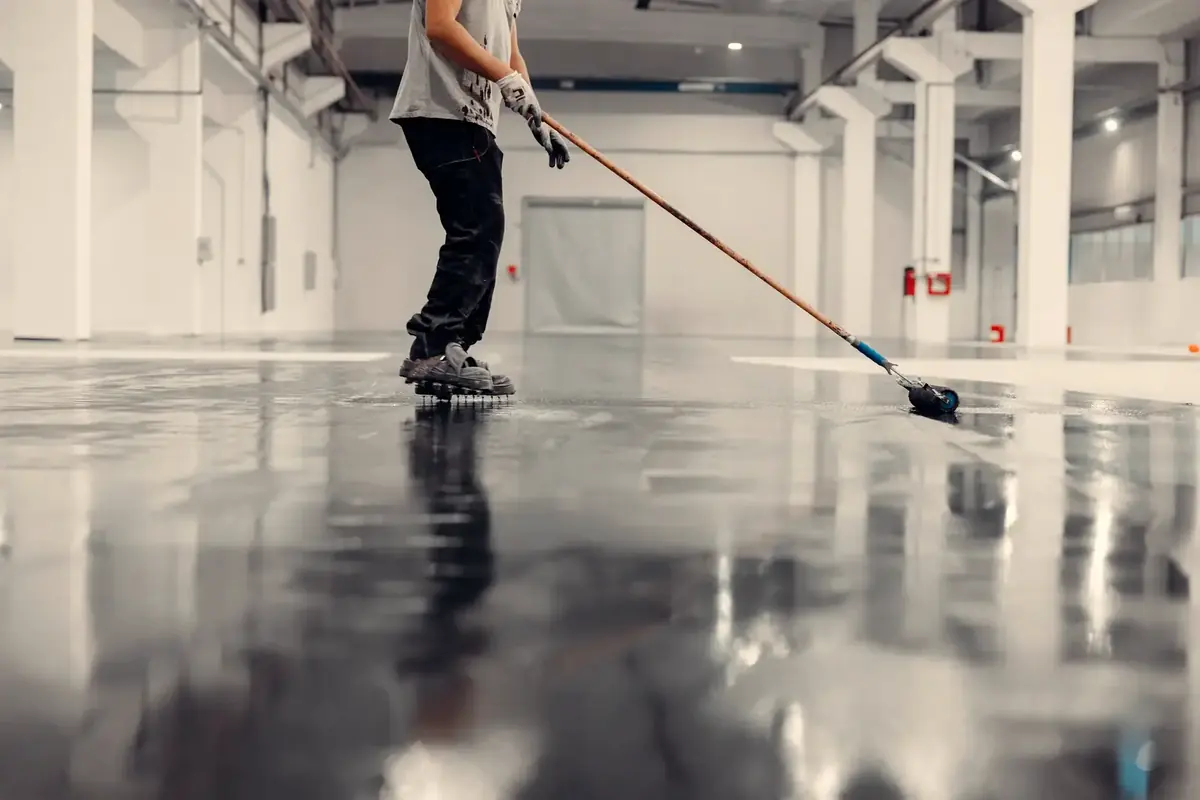
Commercial flooring isn't just about durability. A boutique wants a floor that photographs well. A clinic wants surfaces that disinfect easily. A restaurant needs a kitchen floor that survives scalding water and grease. A gym needs something that can take dropped weights. Each of those spaces may also have landlords, general contractors and tight opening dates in the picture.
Resinous flooring, the umbrella that covers epoxy, polyaspartic, polyurea, urethane and urethane cement, is popular in commercial spaces because it can be tuned to almost any combination of looks and performance. Our job is to match the system to the business.
What businesses gain
- Faster cleaning. Seamless, non-porous surfaces mop or scrub quickly with no grout lines to trap dirt.
- Durability under traffic. Foot traffic, carts, rolling racks and fixtures are handled by the coating instead of the slab.
- Branding. Colors, flake blends, metallics, logos and wayfinding lines can be built in.
- Chemical resistance. Topcoats are selected for the products used on site.
- Less downtime. Fast-cure systems and phased schedules reduce closures.
- Brighter interiors. Reflective finishes help merchandise and workspaces look better.
Systems by business type
| Business | Priorities | Systems we commonly specify |
|---|---|---|
| Retail and boutiques | Appearance, foot traffic, fixtures | Solid, metallic or fine flake with satin topcoat |
| Salons and spas | Dyes, chemicals, water | Chemical-resistant topcoat over flake or solid |
| Medical and dental | Cleanability, disinfectants | Seamless solid or flake with integral cove base |
| Restaurants (kitchen) | Hot washdown, grease, thermal shock | Urethane cement |
| Restaurants (dining) | Atmosphere, spills | Decorative system with satin topcoat |
| Gyms and studios | Impact, sweat, traction | High-build epoxy with textured topcoat |
| Auto service and detail | Fluids, tires, lifts | High-build system, chemical-resistant top |
| Offices and lobbies | Appearance, low maintenance | Satin solid or polished-concrete look |
Planning a commercial project
Assessment
We review the slab or existing flooring, moisture conditions, traffic, chemicals, cleaning routines and any requirements from the owner, landlord or design team. On tenant improvements, we also review access, working hours and how adjacent tenants will be protected.
Specification
You receive a written specification with each layer, product type, film build and finish, along with product data sheets and safety data sheets if your team or franchise requires them.
Scheduling
We can work nights, weekends or in phases. Fast-cure polyaspartic topcoats can shorten closures dramatically. On new construction, we coordinate with the general contractor so flooring happens after dusty trades and before fixtures.
Odor and ventilation
Certain resins smell strongly while they're going down. When neighbors or staff are in the building, we lean toward low-odor formulations and work out air handling and timing with the property manager ahead of time.
Installation and quality control
Preparation, application and inspection follow the specification. On large floors we track batches for consistent color and sheen.
Before you request bids
Having answers to a few questions makes bids more accurate and easier to compare:
- What is on the floor now, and what is under it?
- What hours can work be done, and is phased work required?
- What cleaning methods and chemicals are used daily?
- Are there carts, rolling racks, chairs or equipment on casters?
- Is there a design standard, brand color or franchise requirement?
- Are cove bases, logos or wayfinding lines needed?
- What is the hard deadline for reopening?
Why commercial floors need a specialized installer
Commercial floor failures cost more than the floor. They mean closures, lost sales and frustrated staff. Experienced installers know how to prepare slabs that have carried tile, adhesive or old coatings, how to choose systems for specific exposures and how to stage work so a business keeps running.
Phoenix considerations
Unconditioned buildings
Spaces under construction may not have HVAC running. Summer heat inside an empty shell can shorten working time and affect cure. We coordinate with the project schedule and work early or overnight when needed.
Storefront glass
Large windows put direct sun on floors near entries. UV-stable topcoats keep those areas from discoloring.
Construction and storm dust
Drywall sanding and monsoon storms can both contaminate fresh coatings. We schedule after dusty trades finish and protect the area during cure.
New slabs
New construction slabs need time to dry. We test moisture and use mitigating primers when the schedule requires coating before the slab has fully dried.
Matching texture to each zone
Commercial spaces rarely need one texture throughout. Sales floors and offices usually get satin for appearance and easy cleaning. Entries, restrooms, wash stations and back doors benefit from added aggregate. Kitchens need heavier texture. We map zones during the assessment so each part of the floor is specified for the way it's used.
Three common downtime models
Overnight or weekend closure. Small retail spaces, salons and offices can often be prepared and coated over a weekend with fast-cure systems.
Phased by area. The floor is split into sections; customers use one half while our crew works behind a barrier on the other.
Before opening. New tenants schedule flooring during the build-out, ideally after dusty trades and before fixtures and furniture arrive.
Thinking in total cost, not just price
The cheapest commercial floor isn't always the least expensive one to own. A system with proper preparation and the right topcoat can go many years with only cleaning and occasional topcoat renewal, while a thin coating may need repairs and another closure much sooner. We itemize proposals so owners and managers can weigh initial cost against expected maintenance and downtime.
Maintenance
Daily dust mopping, regular wet cleaning with neutral cleaners, walk-off mats at entries and prompt spill cleanup keep resinous floors looking good. High-traffic areas may need a refresh topcoat over time, often doable over a weekend.
Integral cove bases for cleanable rooms
In clinics, kitchens, restrooms and some salons, the joint between floor and wall is where dirt and moisture collect. An integral cove base carries the floor system up the wall several inches with a curved transition, creating one continuous, cleanable surface. Coves are built with a special mortar and finished in the same system as the floor. They add time and cost, so we include them where they make a real difference.
Restaurants: front and back of house
Restaurant kitchens are among the toughest environments a floor can face, with boiling water, grease, food acids, dropped pans and daily washdowns. Urethane cement systems are designed for this kind of use and are generally the type we recommend for commercial kitchens. Dining rooms, bars and host areas have different needs: atmosphere, easy cleanup of spills and comfortable traction. We usually plan the transition between the two systems at the kitchen doorway or service line.
Gyms and fitness studios
Fitness spaces need floors that tolerate sweat, cleaning chemicals, rolling equipment and impact. A thicker epoxy base with a textured topcoat works well in functional training and cardio zones, while heavy lifting areas are best covered with rubber mats on top of the coating. Bright, reflective finishes also help smaller studios feel larger.
Service shops and detailing studios
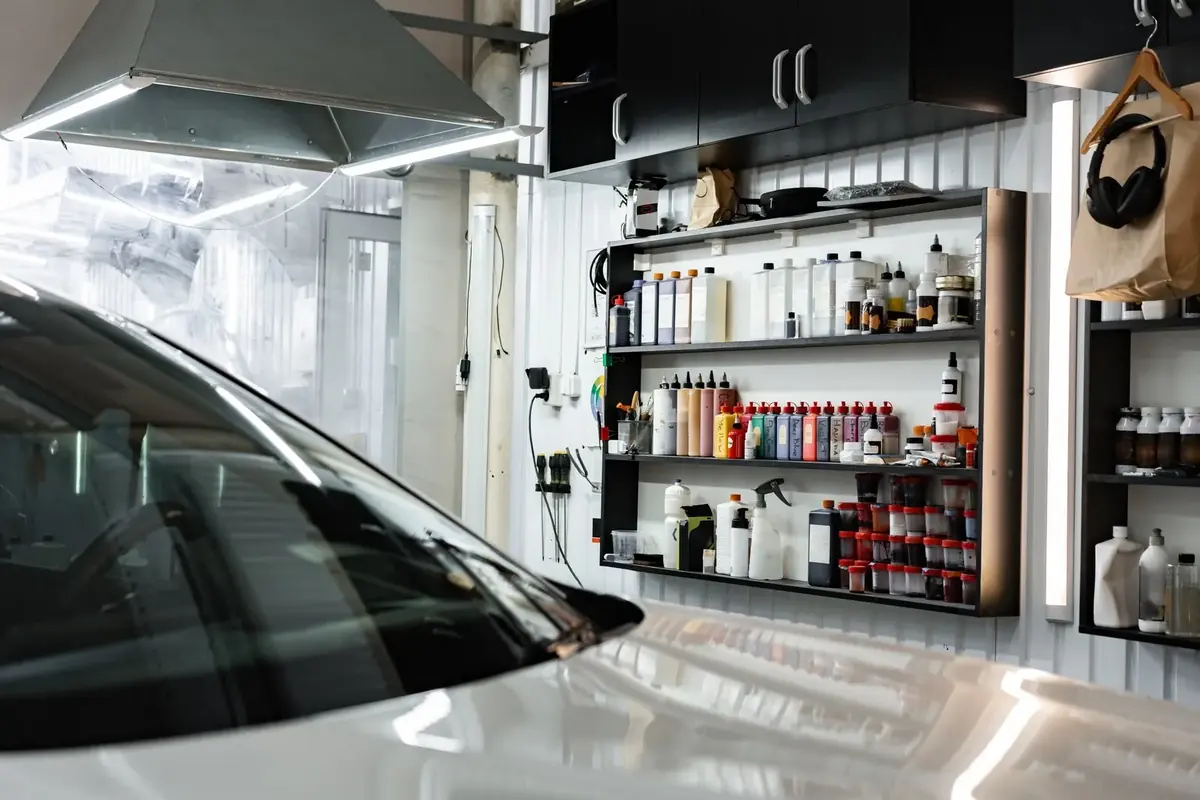
Auto service and detailing businesses deal with oil, brake fluid, tire dressings, degreasers and constant vehicle movement. These floors need high-build systems with chemical-resistant topcoats and texture near wash areas. Light colors help technicians spot dropped parts and fluid leaks quickly.
Medical and dental offices
Clinical spaces put cleanability first. Seamless floors, integral cove bases and topcoats that tolerate frequent disinfecting are common requests. Exam rooms, corridors and sterilization areas may each need slightly different finishes. If your practice follows specific infection control or facility guidelines, share them during the assessment so the specification aligns with your requirements.
Showrooms and dealerships
Vehicle, boat and equipment showrooms want floors that make products look their best. High-gloss solid colors and fine flake are popular, often with a contrasting band or logo near the entrance. Because display vehicles are driven or rolled onto the floor, the system needs to handle tire traffic as well as appearance, so we build it like a premium garage floor with a showroom finish.
Offices and coworking spaces
Offices increasingly choose coated concrete over carpet tiles for a cleaner, more modern look and easier upkeep. A satin solid color in warm gray or a subtle fine flake suits most office interiors. Rolling chairs move easily on a coated floor, and area rugs or acoustic panels can soften sound in open-plan spaces. For landlords, a durable coated floor can also simplify turnover between tenants, since it cleans up well instead of needing replacement.
Commercial epoxy floors
Can you work after hours?
Yes. Nights, weekends and phased schedules are common for our commercial clients.
Which system is best for my business?
It depends on traffic, chemicals, cleaning methods, appearance and budget. We'll recommend options after the site assessment.
Can you add our logo?
Yes. Logos, color fields and wayfinding lines can be incorporated into many systems.
Do you work with general contractors?
Yes. We coordinate on scheduling, slab readiness and site conditions, and provide submittal documents when required.
What's the difference between a cove base and a regular baseboard?
An integral cove base is the floor coating carried a few inches up the wall with a curved transition, which removes the floor-to-wall joint where dirt collects. It's common in clinics, kitchens and restrooms.