Polyaspartic coatings solve two of the most common problems we see in Phoenix flooring: sunlight that yellows ordinary epoxy, and downtime that business owners and homeowners would rather avoid. Because polyaspartic is an aliphatic material, it holds its clarity in UV. And because it cures quickly, floors can often be walked on within hours and returned to use the next day.
Those advantages come with a catch: polyaspartic is less forgiving to install than epoxy, particularly on a hot slab. This page explains what it is, where we use it, and how we install it reliably in desert conditions.
What polyaspartic is
Polyaspartic belongs to the polyurea family. It's made by reacting a polyaspartic ester with an aliphatic isocyanate. The ester slows the reaction compared with spray polyureas, which is what makes it possible to roll and squeegee by hand. The aliphatic chemistry is what gives it UV stability.
Manufacturers offer many formulations: different solids levels, cure speeds and sheens, some designed only as clear topcoats and others suitable as primers or full systems. Choosing the right one is part of the job.
Strengths in plain terms
- Stays clear in the sun. Suitable for patios, carports, open garages and spaces with big windows.
- Quick turnaround. Recoats in hours and fast return to use.
- Hard-wearing surface. Good resistance to abrasion and scuffing.
- Stain and chemical resistance. Automotive fluids, many cleaners and everyday spills.
- Cool-weather friendly. Cures at lower temperatures than many epoxies.
- Excellent clarity. Makes flake and color look crisp.
Limitations we plan around
- Short pot life. Some formulations begin to set within minutes on a hot day.
- Less build per coat than high-build epoxy. System design compensates.
- Less time to soak into concrete. Preparation and priming must be excellent when it's used as a base.
- Higher material cost than standard epoxy.
That's why many of our systems pair materials: an epoxy or polyurea base for penetration and build, with polyaspartic on top for UV stability and wear.
Common polyaspartic builds
| System | Typical use | Notes |
|---|---|---|
| Base coat + flake + polyaspartic clear | Residential garages | Our most common build |
| Full polyaspartic (primer, color, clear) | Patios, carports, sun-exposed areas | Fast and UV stable throughout |
| Clear polyaspartic over ground concrete | Modern interiors, patios | Shows the slab's natural character |
| Polyaspartic over metallic epoxy | Interiors, retail | Protects and adds scratch resistance |
| Pigmented polyaspartic with grit | Restaurants, storefront entries | Fast reopening, added traction |
Where it earns its place
- Residential garages, especially west- or south-facing ones.
- Covered patios, porches, breezeways and entry courtyards.
- Carports and open-sided storage.
- Retail floors and restaurants that need to reopen quickly.
- Showrooms and lobbies with large glass walls.
- Winter projects, when cool slabs slow epoxy cures.
- Maintenance recoats over existing, well-bonded coatings.
How we install it
Plan around temperature
Before mixing anything, we check slab temperature with an infrared thermometer and compare it with the product's limits. In summer we start at first light, use slower formulations where available, keep materials shaded and mix only what can be spread and rolled comfortably.
Prepare like it matters
Polyaspartic has less time to penetrate than epoxy, so surface preparation is even more critical when it's used as a primer. We diamond grind, repair, vacuum thoroughly and confirm the surface is dry.
Apply as a coordinated crew
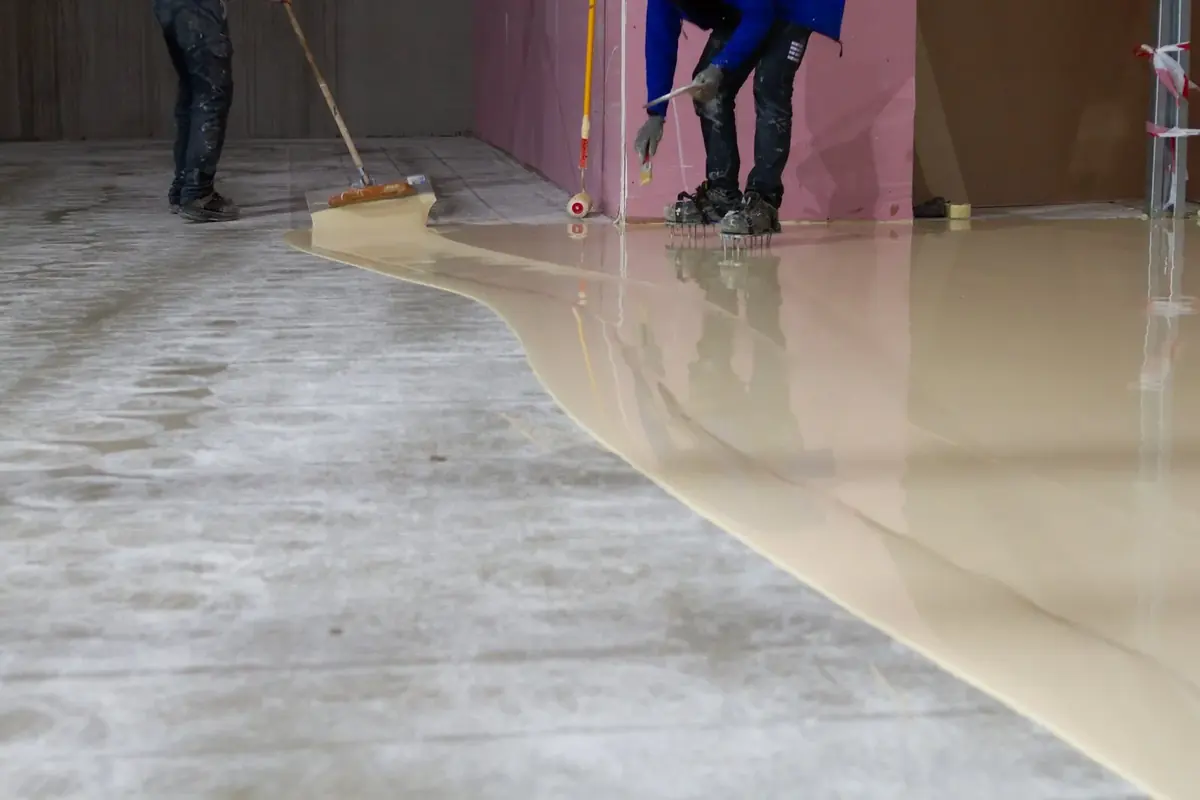
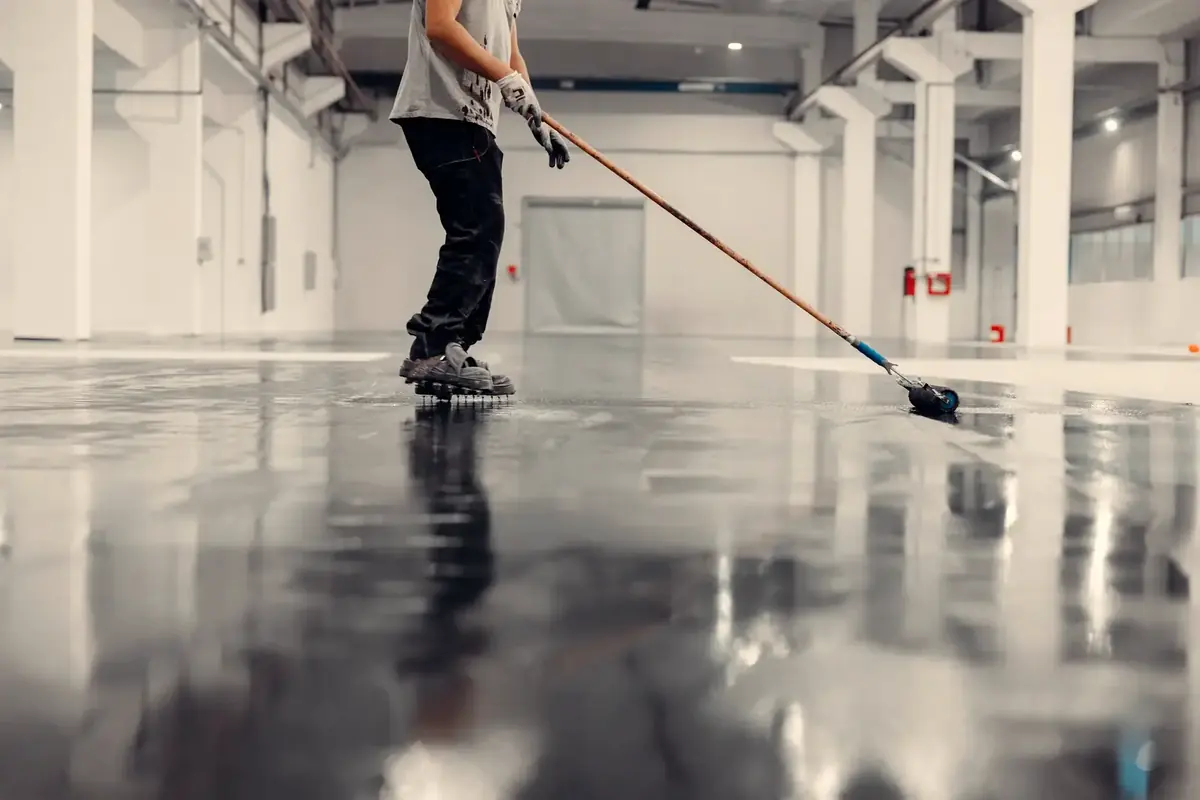
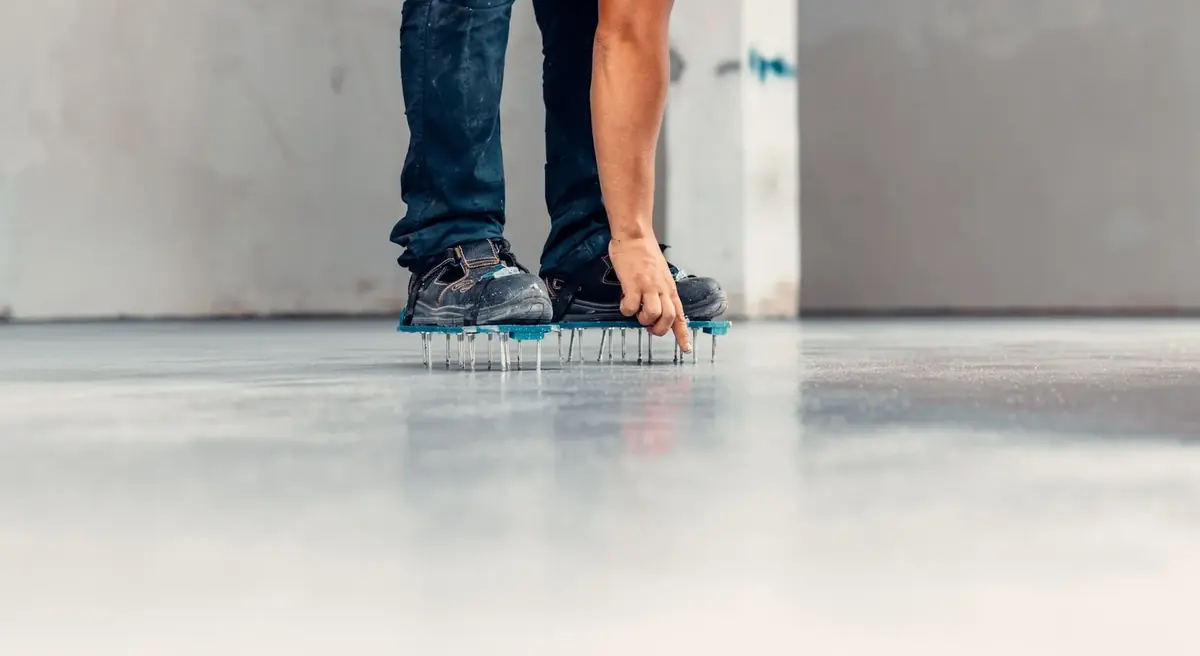
One installer mixes while others squeegee and back-roll, maintaining a wet edge. Batches are timed so each section is finished well before it starts to gel.
Hand over with clear times
Foot traffic often resumes within hours. Vehicles generally wait about a day or longer depending on the product and conditions. We provide the exact schedule in writing.
Why it's not a DIY material
Polyaspartic rewards experience and punishes guesswork. A batch mixed too large on a warm morning can set in the bucket. Slow rolling leaves lap lines. A damp or contaminated surface can cause bubbling or poor adhesion. Crews that apply it every week develop timing that no label can teach.
Phoenix-specific notes
Summer scheduling
Polyaspartic is at its most challenging on hot concrete. Early starts, slower formulas and small batches are standard practice on our summer jobs. When temperatures are extreme, rescheduling to a cooler window can be the right call.
Monsoon humidity
Humidity can affect isocyanate-based coatings, sometimes causing bubbles or haze. During monsoon season we watch dew point and avoid application when conditions are unfavorable.
Exterior surfaces
On patios and carports, polyaspartic is often the final layer because it resists UV breakdown. We pair it with texture for traction and recommend lighter colors to reduce heat underfoot.
Recoating existing floors
Many coated floors around Phoenix were installed years ago with epoxy topcoats that have since yellowed or dulled. If the existing coating is still firmly bonded, it can often be abraded and recoated with clear polyaspartic to restore clarity and add UV protection. If it's peeling or soft, removal is the only reliable path.
Care plan
- Sweep or blow off grit regularly.
- Wash with water and a neutral cleaner.
- Rinse exterior surfaces to remove dust and hard-water spotting.
- Avoid strong acids.
- Refresh with a new topcoat after years of heavy wear.
What a one-day garage looks like with polyaspartic
Every job is different, but a typical fast-cure garage day follows a rhythm like this:
- Early morning: crew on site; masking goes up around the entry door and walls while equipment is staged.
- Morning: diamond grind the floor and edges, then repair cracks and pits with fast-setting filler.
- Late morning: vacuum thoroughly and inspect the surface.
- Midday: apply the base coat in sections and broadcast flake immediately behind it.
- Afternoon: once the base has set, scrape and vacuum the excess flake.
- Late afternoon: roll the clear polyaspartic topcoat.
- Evening: remove protection and leave written cure times.
On very hot days we shift the schedule earlier, and on cool winter days the steps between coats may stretch.
Polyaspartic or epoxy for your floor: a quick decision guide
- Does sun reach the floor? If yes, use a polyaspartic or other aliphatic top layer.
- Does the space need to be usable tomorrow? If yes, a fast-cure polyaspartic system is the natural fit.
- Is the slab damp or contaminated? An epoxy primer may be the better first layer, with polyaspartic above.
- Is it a large interior floor with decorative metallic work? Epoxy for the decorative layer, polyaspartic or urethane on top.
- Is budget the main constraint indoors and out of the sun? A well-built epoxy system can be a sound choice.
Why clear-coat thickness matters
The clear topcoat is the part of the floor that takes all the wear. On a flake floor, a thin clear coat leaves chip edges exposed and wears through quickly in tire paths. A properly built clear coat fully encapsulates the flake and leaves a durable wear layer above it. When comparing quotes, ask how many coats of clear are included and whether the topcoat is applied at the manufacturer's recommended thickness.
Using polyaspartic in cooler months
Phoenix winters are mild, but early mornings can be cool enough to slow epoxy dramatically. Polyaspartic continues to cure at lower temperatures, which keeps winter projects on schedule. It's one reason many homeowners book garage and patio coatings between November and March: comfortable working conditions, fewer dust storms and a quick return to use.
Restaurants and retail: reopening faster
For a restaurant dining room or a small store, every closed day matters. A properly planned polyaspartic system can often allow a space to be prepared and coated after closing and reopened after the stated cure period, sometimes within a day. The tighter the window, the more important it is to confirm slab moisture and condition ahead of time so there are no surprises on installation night.
Sheen and texture choices
Polyaspartic topcoats can be finished in different sheens and textures. Gloss gives maximum depth over flake and color but shows scuffs and can be slick when wet. Satin is softer to the eye and hides fine scratches. Texture is controlled with anti-slip additives mixed into the final coat, ranging from a barely noticeable fine grit to a coarse finish for ramps and wash areas. We'll show you sample boards so you can feel the difference before choosing.
Polyaspartic coatings
Is polyaspartic better than epoxy?
It's better at UV resistance and speed. Epoxy is better at penetration, build and working time. The strongest systems usually combine both.
Can a garage really be finished in a day?
With a fast-cure system and a slab in reasonable condition, many garages can. Repairs, oil remediation or very large areas may extend it.
Does it get slippery?
Any glassy finish loses grip when water sits on it. A flake layer gives natural tooth, and the final clear coat can carry grit in whatever coarseness the space calls for.
How is it different from polyurea?
Polyaspartic is technically an aliphatic polyurea. In flooring, "polyurea" usually refers to base coats that may be aromatic and need protection from sun, while "polyaspartic" refers to UV-stable topcoats. See our polyurea coatings page.
Can it go over my existing coating?
If the existing coating is well bonded, yes, after abrasion. Failing coatings must be removed first.