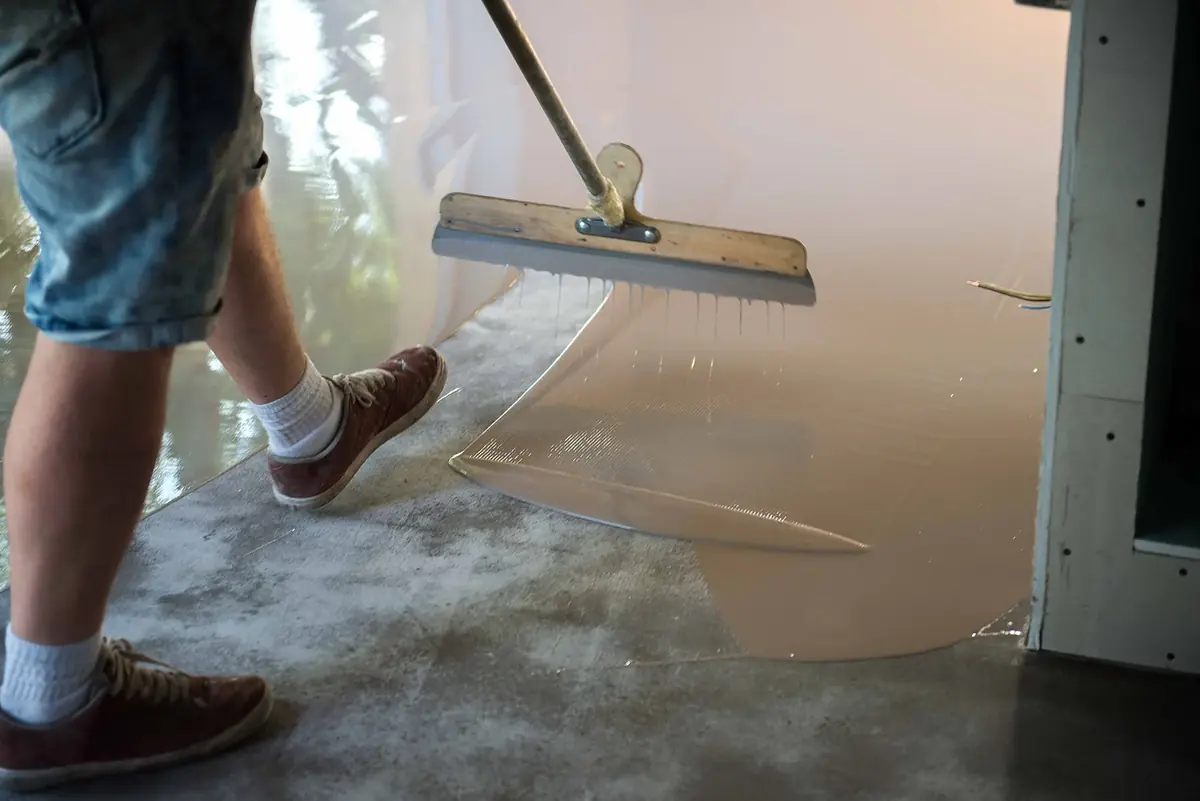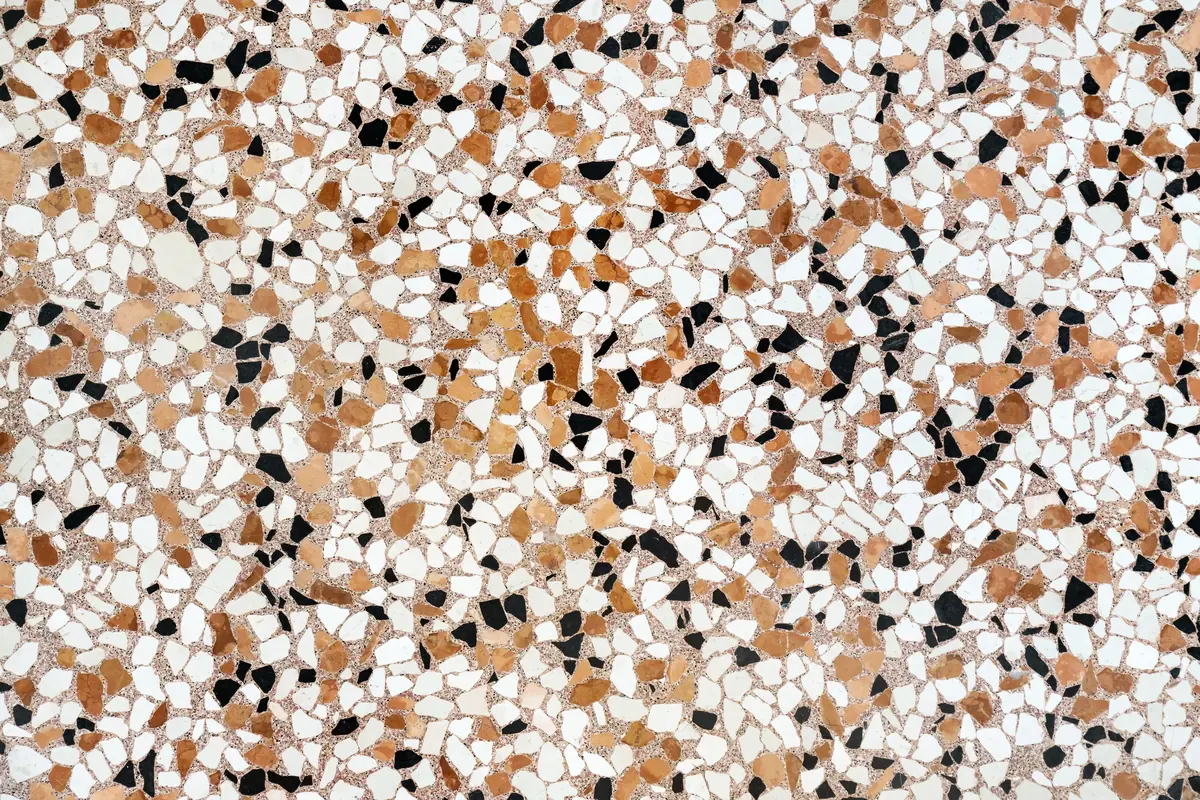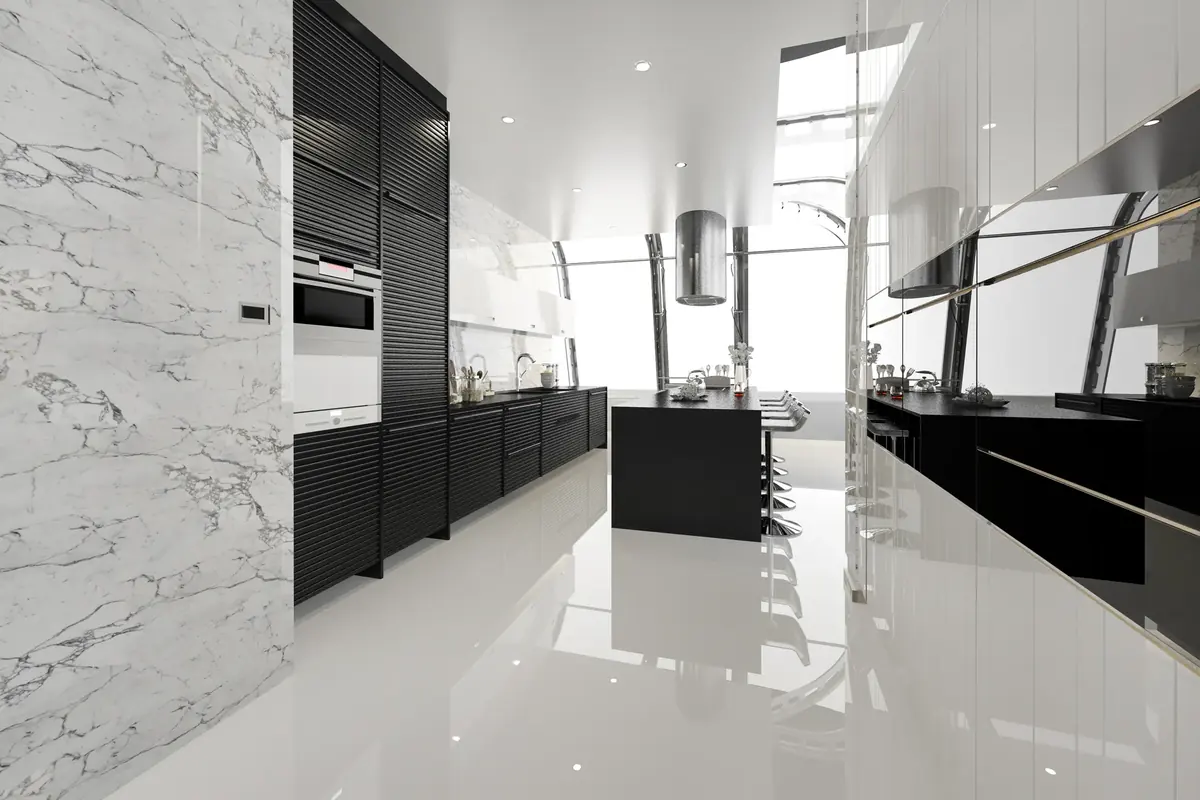
Interior resin floors have moved well beyond the garage. In Phoenix, where nearly every house sits on a slab and dust is part of daily life, a seamless coated floor makes a lot of sense. It has no grout lines, it doesn't trap dust like carpet, it handles pets and spills, and it feels cool on bare feet in July.
Residential interiors are also the most demanding work we do from a finish standpoint. You'll see the floor in morning sun and evening lamp light for years. This page covers how we approach interior projects, from deciding which rooms make sense to how we keep a lived-in home clean during the work.
Rooms that make the most sense
Not every room is a natural fit, and we'll say so. These are the spaces where homeowners are happiest with a coated slab:
- Casitas and guest suites. Common in Phoenix, often used hard, and ideal for a durable, easy-clean surface.
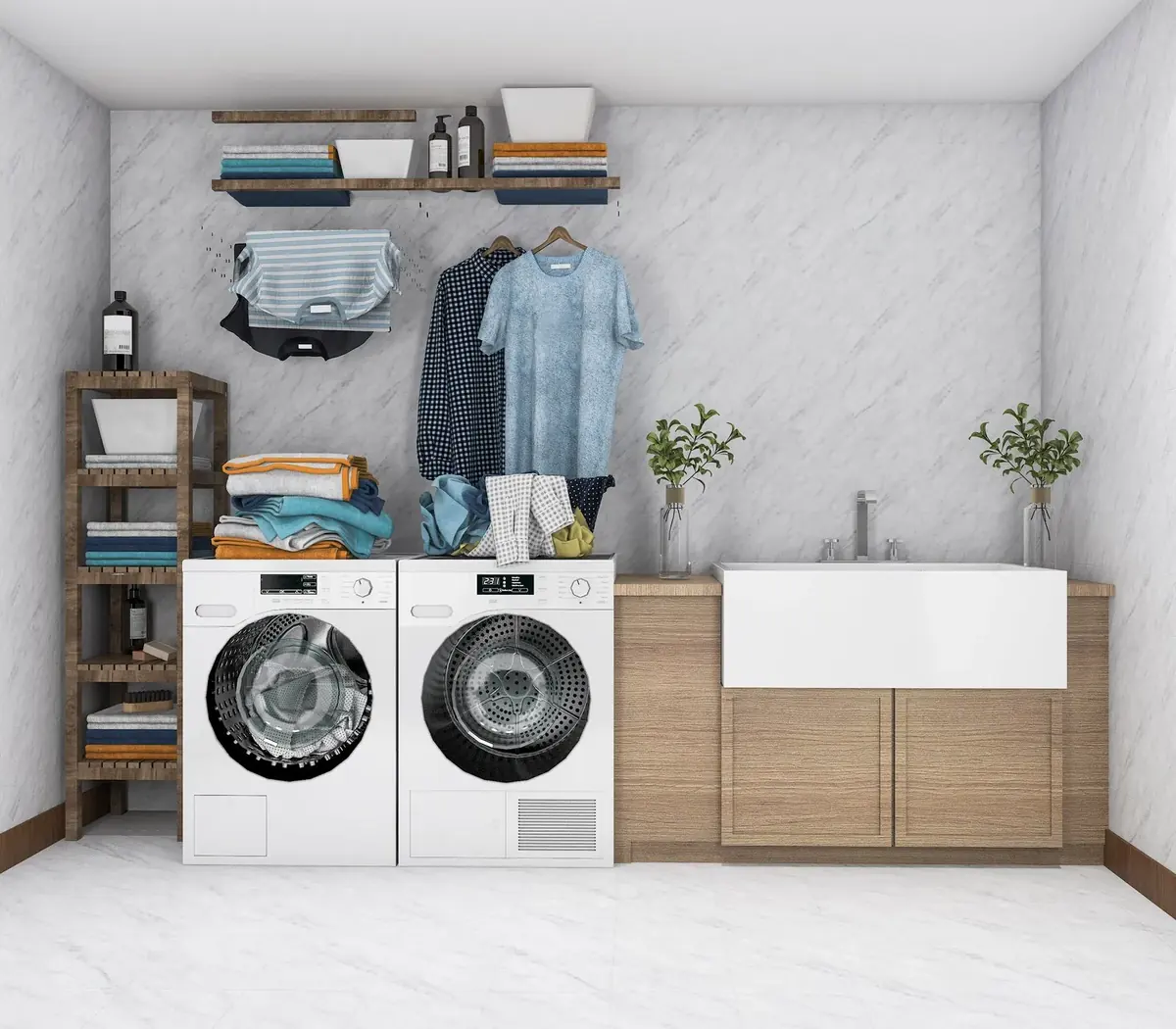
- Laundry rooms and mudrooms. Overflowing washers, wet towels and muddy cleats wipe right off.
- Great rooms and open-plan living areas. A continuous surface makes a large space feel unified, especially with a satin or metallic finish.
- Home offices and studios. Chairs roll easily and a matte or satin sheen keeps glare off screens.
- Converted garages. A garage turned into a bedroom, gym or office often needs grinding, leveling and a finished floor anyway.
- Home gyms. A thicker system with texture handles dropped weights better than bare concrete; heavy lifting zones still benefit from rubber mats.
- Entryways and hallways. High-traffic paths where grit wears other flooring quickly.
Bedrooms are possible too, though many people prefer area rugs over a coated floor there for warmth and sound.
Finishes for living spaces
Solid colors
Warm greige, sand, soft white and mid-gray are the most requested interior colors because they sit well with stucco, wood beams, natural stone and Southwest decor. A satin topcoat hides fine scratches and footprints better than gloss.
Quartz and fine flake
Small-chip flake or colored quartz gives subtle texture and pattern. It's a strong choice for laundry rooms, mudrooms and gyms, where traction and forgiveness matter more than a perfectly smooth look.
Metallic
For a statement floor in a great room, entry or home bar, metallic epoxy creates movement and depth that changes with the light. Each floor is unique.
Clear over ground concrete
If the slab has character worth showing after grinding, a clear system can reveal it. Results vary with the concrete's history, so we evaluate after test grinding.
How interior projects are different from garages
| Factor | Garage | Interior |
|---|---|---|
| Existing surface | Usually bare or coated concrete | Often tile, carpet, laminate, thinset or adhesive |
| Dust control | Important | Critical: the house is occupied |
| Finish scrutiny | Moderate | High: natural light shows everything |
| Typical topcoat | Polyaspartic | Urethane or polyaspartic in satin |
| Main traffic | Tires and tools | Feet, pets, chairs and furniture |
The interior process
1. Planning the sequence
Interior work affects how the household functions, so we plan which rooms go first, where furniture will be stored and how pets and people move around the work zone. If painters or trim carpenters are involved, we coordinate the order: flooring typically goes in before new baseboards and after messy wall work.
2. Removing existing flooring
Carpet and pad are straightforward. Tile is heavier and leaves thinset that must be ground off completely, and old adhesives and mastics must also go. We can include removal or work after your demolition crew.
3. Containing dust
We seal doorways with plastic, cover returns and turn off air handlers in the work zone, and run grinders connected to HEPA vacuums. The goal is that the rest of the house doesn't end up with a layer of concrete dust.
4. Testing and priming
Interior slabs are tested for moisture vapor. Some older homes have little or no vapor barrier under the slab, and high readings can lead to blisters under a coating. Where needed, a moisture-tolerant epoxy primer goes down first.
5. Leveling and repairs
Previous flooring often leaves uneven spots, old plumbing trenches show as patches, and settlement cracks are common in older homes. We fill, grind and, where needed, apply a self-leveling layer before color.
6. Color, pattern and protection
Base color, decorative layers and topcoat follow, with sheen and traction set by room. We finish interiors with a UV-stable topcoat so sunny patches near windows don't discolor over time.
7. Return to living
Light foot traffic in socks is often possible within about a day. Furniture comes back after the stated cure time, always on felt pads.
Why interior floors call for an experienced crew
A slight roller mark or a tiny dust nib that nobody notices in a garage stands out in a living room with floor-to-ceiling windows. Getting a consistent interior finish takes controlled conditions, careful batch mixing so color doesn't shift between sections, and a crew that knows the working time of each material in the current temperature.
There is also the human side of working in a home: protecting finishes, keeping walkways open, communicating about odors and timing, and leaving the house cleaner than we found it.
Phoenix-specific notes for interiors
Window light
Large west- and south-facing windows put direct sun on interior floors for hours. A UV-stable topcoat keeps those areas the same color as the rest of the room.
Air conditioning during installation
We ask that the home's AC stay on during summer installs, with the work zone sealed off. Stable temperatures mean more predictable working times and a better finish.
Dust you can actually see
In a dusty climate, smooth coated floors make dust visible, which sounds like a downside until you realize it also means a quick dust mop actually removes it, rather than it settling into grout or carpet fibers.
Older central Phoenix homes
Mid-century homes often have slabs with patched trenches, old adhesive and minor settlement. We assess these individually; sometimes the best answer is to design around a patch with a border or color change.
Care plan
- Dust mop or vacuum with a hard-floor setting regularly.
- Damp mop with a neutral cleaner; skip oil soaps and vinegar.
- Felt pads on all furniture legs; lift heavy items instead of dragging.
- Doormats at exterior doors to catch grit.
- Rugs in seating areas for softness and sound.
- A refresh topcoat in traffic lanes after years of use, if needed.
How a coated slab compares with other interior floors
| Floor type | Seams and grout | Water tolerance | Feel underfoot | Typical maintenance |
|---|---|---|---|---|
| Coated concrete | None | Very good | Firm, cool | Dust mop, damp mop, occasional topcoat refresh |
| Porcelain tile | Grout lines | Very good (grout can stain) | Firm, cool | Grout cleaning and sealing |
| Luxury vinyl plank | Plank seams | Good on surface, seams vulnerable | Slightly softer | Damp mop; replace damaged planks |
| Polished concrete | Joints only | Good | Firm, cool | Periodic re-polishing and guard |
| Carpet | N/A | Poor | Soft, warm | Vacuuming, deep cleaning, replacement |
None of these is wrong for every home. A coated slab tends to win where water, pets, dust and heavy use meet, and where you want a single continuous surface across several rooms.
Getting the house ready
Before installation day, clear the rooms, remove wall hangings that could be bumped near the floor line, and plan where pets will stay. Decide whether baseboards will be removed and replaced; doing so gives the cleanest edge. If you have an alarm system with motion sensors, plan to bypass the affected zones, since grinding dust and plastic sheeting can trigger them.
Planning for transitions and doorways
Where a coated floor meets carpet, wood or tile, the transition needs a plan. We usually stop the coating under a door or at a natural break, and a slim transition strip covers the edge. Where the coated slab meets a sliding door track, we coat up to the track and seal the joint so water can't get under the edge. Talking through transitions early avoids awkward lines in the middle of a room.
Residential epoxy floors
Is a coated floor cold or hard?
It feels like tile or polished concrete: firm and cool. In Phoenix most people see the coolness as a benefit. Rugs add warmth where you want it.
Can you coat right over my tile?
We recommend removing tile. Coating over it ties the floor's performance to the tile's bond, and grout lines can telegraph through.
How much odor is there?
Some materials have noticeable odor during application. We ventilate the work area and choose low-odor products where they fit the system. For sensitive households, we can plan for the home to be vacated during key steps.
Can different rooms have different finishes?
Yes. A common combination is a metallic or solid finish in living areas with a textured flake in the laundry room and garage. We plan transitions at doorways.
Will it look like polished concrete?
A solid gray satin coating can resemble polished concrete, but it's a coating rather than ground and densified concrete. On slabs with patches and adhesive residue, a coating usually gives a more uniform result than polishing.